Image via http://www.indiewire.com
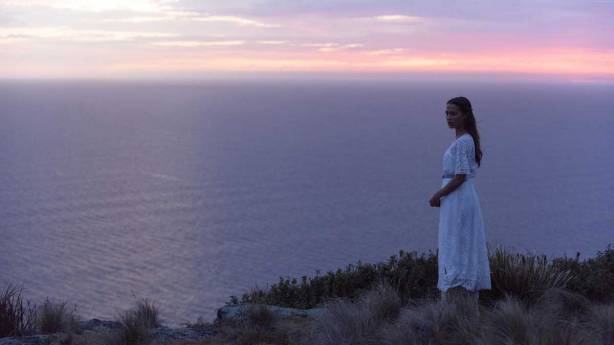
Ingredient #3: It’s possible the audience won’t really understand the emotion of the film, even though the characters are spelling it out, so throw in lots of music; violins for emotion, piano for joy, cello for despair and a good dose of horns for doom. And the landscape, don’t forget the landscape; there’s a never-ending supply of cliffs and ocean and lighthouses and sunsets to distract you.
Can you tell I didn’t really like this film? The book immerses you in post-WWI rural Australia; the grief at the loss of so many men, survivors struggling to find their place and purpose, the social and political intricacies of small-town life. These themes are pivotal to the main character of Tom Sherbourne, who is desperate to find his own peace and stability through regulation and predictability. His love for Isabel is unlooked for and plunges him into the emotional maelstrom of a relationship.
The film simplifies the story and so must rely on stereotypes and a clunky script to fill out the narrative and give it a modicum of plausability. There is little room for character development so the characters must explain their motivations and realisations. Michael Fassbender as Tom is all rigid face and well-meaning brawn, Alicia Vikander as Isabel is teary-eyed softness and feminine fragility. It always seems to be summer and there is no real sense of the isolation or of time passing.
The story, that on my reading of the book seemed to be about a questioning of the ideal of Australian masculinity after the horrors of the first terrible war, becomes a generic melodrama with such little substance and purpose that it verges on the ridiculous. If you’ve read the book, hold on to what was great about that corner of storm-tossed Australia in the 20s and give this film a miss.
Bechdel test – pass
1.5 stars
 fillums