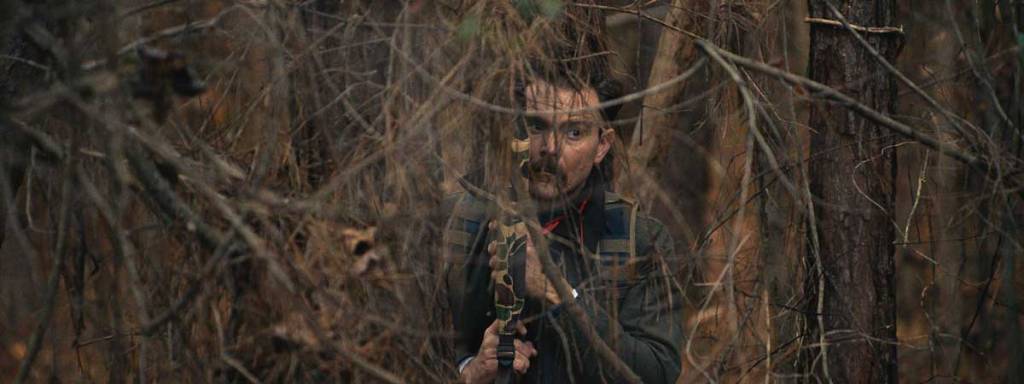
I loved Robert Machoian’s The Killing of Two Lovers (2020) and he again examines a crisis of masculinity in rural America, albeit through a simpler tale.
Continue readingI loved Robert Machoian’s The Killing of Two Lovers (2020) and he again examines a crisis of masculinity in rural America, albeit through a simpler tale.
Continue reading
Lorenzo Vigas pares back dialogue and fills the frame with the vast expanses of Northern Mexico in this contemplative story of loss and separation.
Continue reading

There is something inevitable about the trajectory of Ali’s life in Lofty Nathan’s sunbleached drama of hopelessness that foreshadows the start of the Jasmine Revolution in Tunisia in 2011.
Continue reading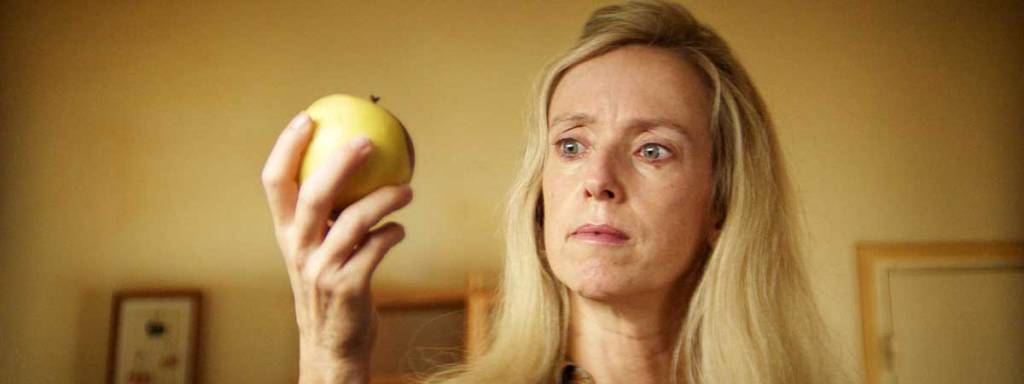

If you watched Deerskin (2019), you’ll know what to expect from ‘fabulist’ Quentin Dupieux.
Continue reading

It’s worth lauding this film simply because of its collaborative creation with Hollywood heavyweight Riley Keough adding weight to what is essentially an authentic indigenous story.
Continue reading

Rules for escaping a totalitarian state: 1) Don’t use a mobile phone; 2) Don’t use a mobile phone to call the daughter-in-law of your pursuer; 3) Don’t use a torch when crossing a patrolled border at night. And a hot tip – Siberian aluminium foil is the bomb!
Continue reading

Robert Eggars (The Lighthouse (2019), The Witch (2015)) gives us toxic masculinity writ large without a shred of irony or insight.
Continue reading

This is why I watch films. First-time director Pawo Choyning Dorji takes a simple story and transports you into the world of the inhabitants of Lunana, a remote village in the north west of Bhutan.
Continue reading
It’s a relief to watch an Asghar Farhadi film that returns to the morally complex form of his earlier films like A Separation (2011) and The Past (2013). His dip into Hollywood with Everybody Knows (2018) was a disappointment for those who love his exploration of Iranian culture.
Continue reading
This beautiful and decidedly enigmatic mood piece from Malgorzata Szumowska (Mug (2018), Body (2015)) and Michal Englert confounds as much as it satisfies.
Continue reading
