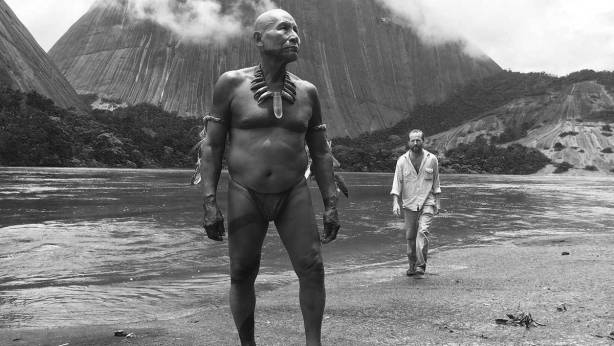
Image via embraceoftheserpent.oscilloscope.net
I recommend seeing a film you know nothing about on a Sunday morning. I was the only person in one of Nova’s subterranean cinemas for this black and white Colombian journey into the Amazon and a history of cultural decimation. There are two overlapping stories, both of white scientists on a search for a rare healing plant, guided through the jungle by loner Karamakate and separated by 30 years. Continue reading

 What a powerful documentary about our ability to be destructive to those we love. Oleg is a young Russian man with autism. He lives with his mother who wants him to be normal, sending him to multiple therapies, berating him for not being a ‘real man’ who can support and protect her. We can see she carries a bitter well of resentment and her only focus is Oleg.
 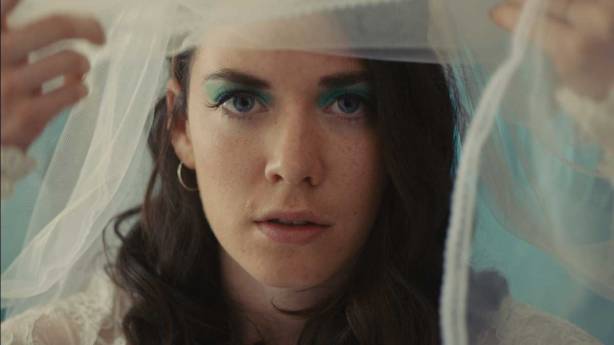 Madly is six short films, each by a different director and based in a different country. They all explore some aspect of love and are stylistically and emotionally diverse. It’s hard to choose a single rating for six such different films and I struggle with the episodic nature of anthologies of short films; no sooner have you engaged with the story than you have to leave. They are all interesting, the first three – from India, Australia and the US (though directed by a Chilean Sebastián Silva) – are my favourites.
 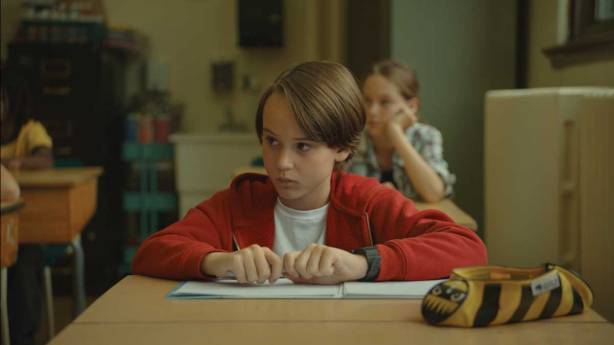 The name of this film helps me understand better what the theme of it was. It’s a slow-moving observational film, centred around Felix who is at the cusp of puberty and trying to make sense of the motives and expectations of the people around him. The ‘demons’ come in many forms, none literal, and they seem to be the fears and compulsions that we can’t resist.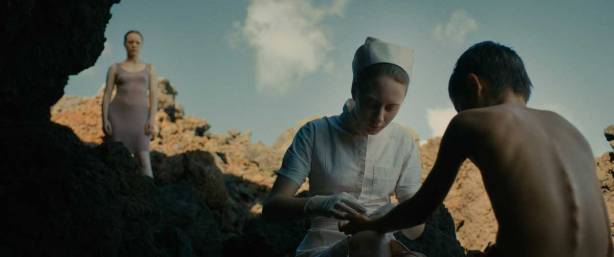
 Or cigarettes and sombre faces. Carol is directed by Todd Haynes (Far from Heaven), based on a novel by Patricia Highsmith (The Talented Mr Ripley) and stars Cate Blanchett and Rooney Mara. Good credentials as far as I’m concerned. It is set in early 50s New York, a post-war world where women are beginning to emerge from the constraints of the past and it explores a lesbian relationship, highlighting the challenges and inequities for women who don’t conform. It is based on an experience of Highsmith’s and her story existed many years under a pseudonym with Highsmith denying authorship until the late 80s, a telling fact as to how long these inequities existed (and still exist).
  fillums