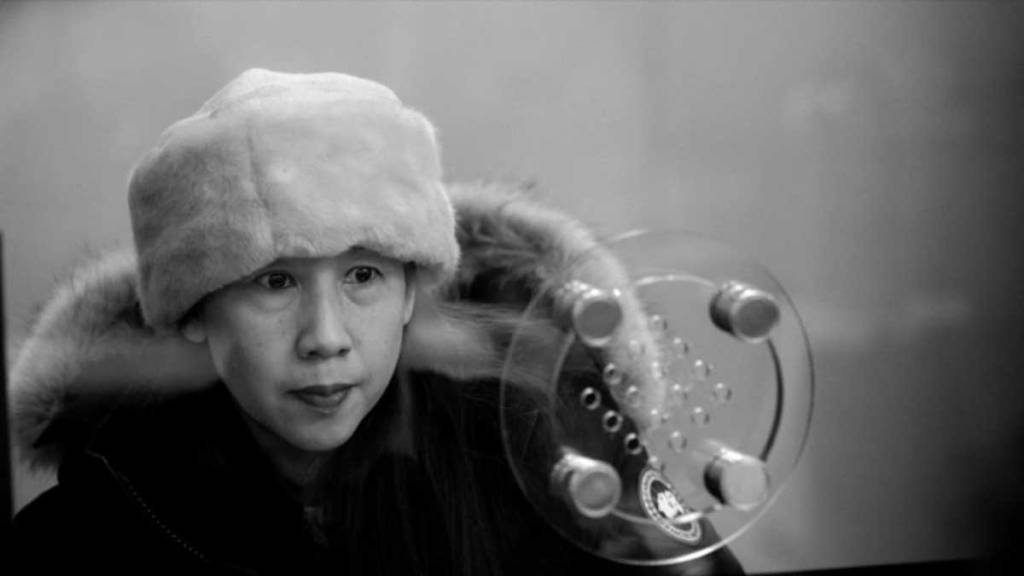
I’m not sure what I was expecting with this low-key Canadian documentary by Jean-François Lesage that uses the lost and found office at the Montreal metro as a jumping off point for a meditation on loss. From the first bleak and beautiful scene of snow falling against a night sky as a clarinet mournfully plays, you know this is going to be about more than a lost mitten.
Have you heard of the Bechdel Test? The concept was created by Alison Bechdel in 1985 in a strip called The Rule in her comic Dykes to Watch Out For. It tests films on three criteria: it must have at least two women (named characters) talk to each other about something other than a man. It is a very low bar to pass but still more than 40% of US films fail it.
I’m cheating a bit with this one as I didn’t realise His Girl Friday was a remake until I did a bit of searching. There are so many examples of Hollywood remakes of excellent non-English language films but I couldn’t find a single one that improved on the original. There are some decent remakes of classic films but for every You’ve Got Mail (1998), a delightfully modernised (by Nora Ephron) The Shop Around the Corner (1940), you get twenty The Women (2008)(don’t even bother with it and go straight to The Women (1939)).
His Girl Friday is one of my all-time favourite films; smart and funny with whip-cracking, razor-sharp dialogue. Cary Grant is as good as he is in The Philadelphia Story (1940) but it is Rosalind Russell who steals the show. I never get bored watching it. I have to admit, though, that I have never seen The Front Page (1931), its precursor, which makes me wonder if many modern remakes might not be disappointing if the original didn’t exist.
I’m really interested to hear how others respond to this prompt. Are there some remakes/reboots I don’t know about or that I should give another chance?
Posted as part of the 30-Day Fillums Challenge, created by me. If you want to see what’s coming up, have a look at my post here and feel free to join in by commenting each day with your own choice.
Coming Next: Day 13: A film that reminds you of being a teenager
There are so many B&W films that I love but this Iranian feminist vampire Western is pitch perfect for me. The debut of British-born Ana Lily Amirpour, it has a killer soundtrack, haunting visuals and an understated narrative of love and redemption in an Iranian ghost town. The soundtrack is perfect for late night long distance driving.
Read about it here on IMDb and, if you have a Kanopy account, it’s currently available to stream.
What’s your favourite black and white film? Is it a classic like The Philadelphia Story (1940) or something more contemporary?
Posted as part of the 30-Day Fillums Challenge, created by me. If you want to see what’s coming up, have a look at my post here and feel free to join in by commenting each day with your own choice.
Coming Next: Day 8: Your favourite animation feature film
An overwrought black-and-white melodrama of grubby masculinity, Roger Eggers’ The Lighthouse is too self-consciously arty to be genuinely engaging. Continue reading →
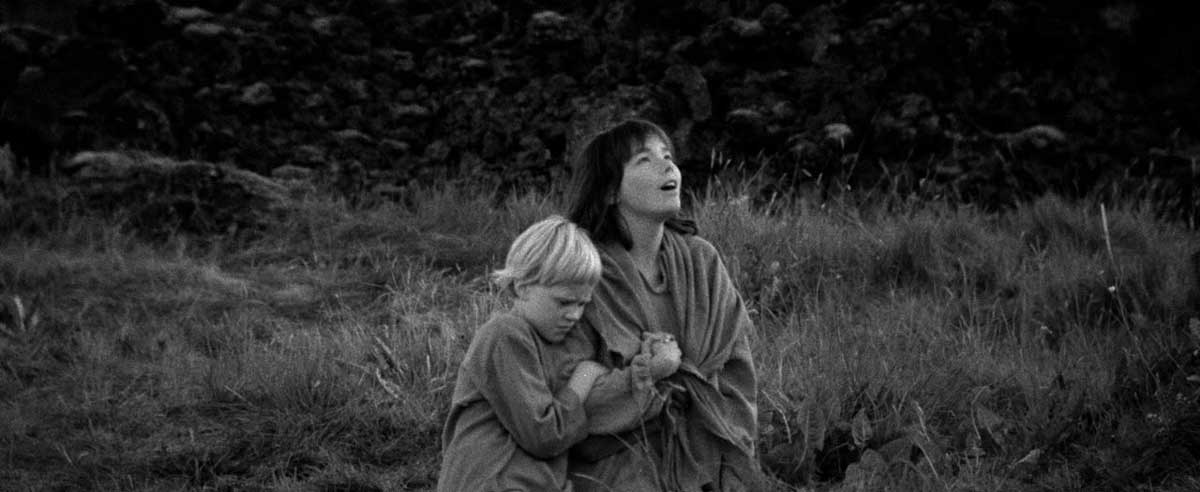
A black and white oddity, this restored copy of the 1990 film by American Nietzchka Keene is known primarily as singer Björk’s first feature film. Continue reading →
It’s hard not to leave this sparse and atmospheric Peruvian drama feeling desolate. Likened to Roma (2018) for its lush black-and-white cinematography and focus on an indigenous woman in central America, it is profoundly moving but a more fragmented and opaque experience. Continue reading →
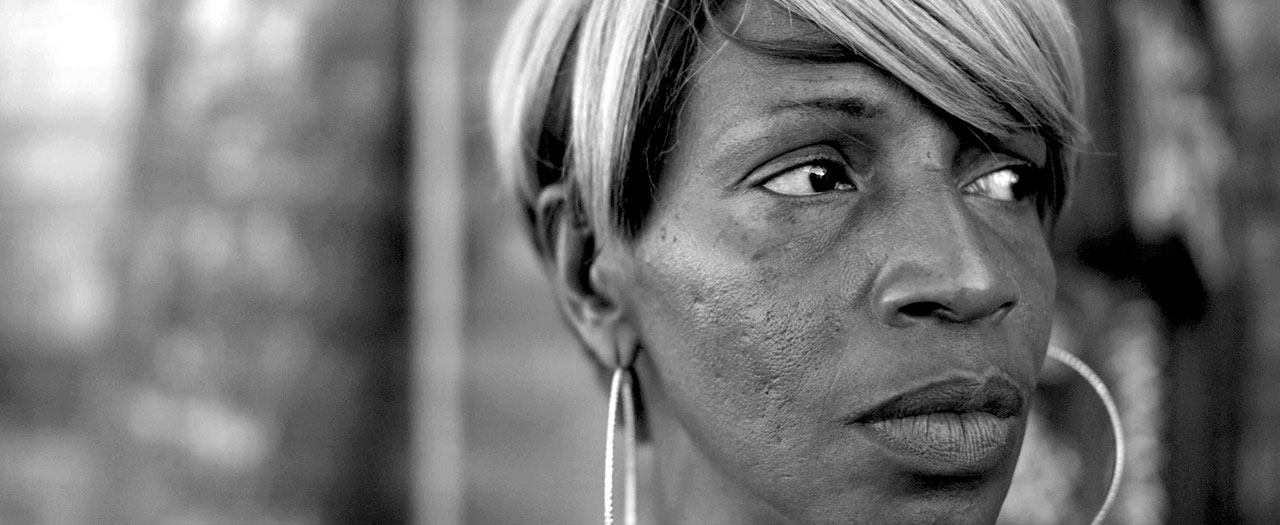
Documentaries like this one aren’t an easy ride. You are dropped into the middle of a cluster of stories with no context, narration nor exposition to help you understand where you are. You have to have the patience to sit back and let the stories unfurl and the characters to worm their way into your heart. Continue reading →
A credible source told me that director Hong Sang-soo doesn’t mind if you nap in his films. Hotel by the River’s quiet contemplation lulled me into a few lengthy blinks so I missed a little of its wry, slow narrative. Continue reading →
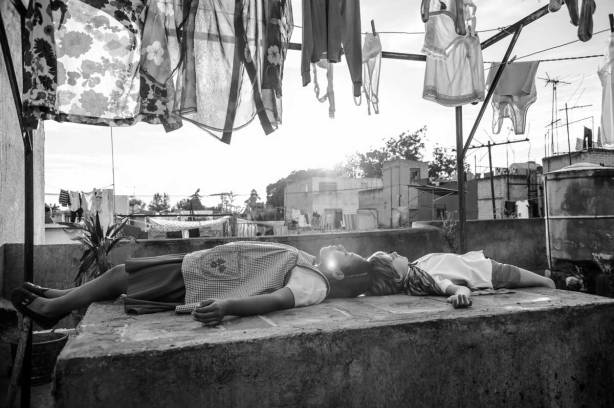
The film that should have won the best picture Oscar, Alfonso Cuarón’s sublime meditation on the life of an indigenous maid in 1970s Mexico city is filmmaking at its best. Continue reading →