
This evocative and gentle exploration of parenting, childhood memories, dislocation, and neurological difference by Sophy Romvari creates a compelling fiction around autobiographical elements of her life.
The first half of the film is built around vignettes of a Hungarian couple and their four children, recently relocating to Vancouver Island. The three youngest children are of similar age, but the eldest who is a teen, Jeremy (Edik Beddoes), looks and acts quite different.
The father (Ádám Tompa) is a creative soul who was constantly photographing and filming his family. What we are seeing feels like memories that have been held in the family because of these recordings, being recalled in fragments by an adult child. About halfway through, we realise this adult child is Sasha, the youngest daughter (played by Eylul Guven and then Amy Zimmer as an adult). She has a younger sister‘s experience of Jeremy, who is oppositional, angry with repressed anger, and sometimes with violence. His parents struggle to understand what to do and have obviously had many years of trying to help him.
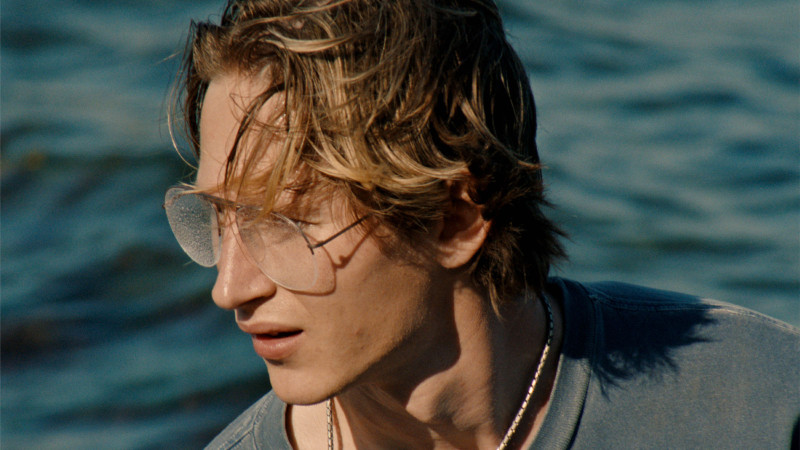
The strength of the film hinges on beautiful cinematography and blending of past and present as well as some excellent and understated performances, particularly from the two Sashas and Beddoes as Jeremy. He was cast from the street in his first role and changed the director’s script by pulling back on Jeremy’s aggression. He embodies a gentle, kindly teen who has a seething fury beneath the surface, something that creates empathy and understanding.
Grown-up Sasha, as we see in the second half of the film, is revisiting her past, including meeting with social workers to see if anything might have been done different nowadays to help their family and Jeremy. This is one scene of real social workers looking through his file and concluding what is different now and what is the same.
A standout scene in the third act is when adult Sophie revisits her childhood home and it is one of the most poignant moments in the film, created just through clever editing. Also shout out to the Ackerman nod in the potato peeling scene.
The cinematography, particularly in any of the scenes back in Sasha’s childhood, is beautifully coloured and sometimes dreamlike. It feels organic and has the long lens feel of home movies and memories that are fading. The blue heron if the title is mentioned right at the start – the young birds gradually separate from their family and community until they are outcast.
It will be one of those films that stays with you.

